Mobile auto locksmith covering Clyst Heath and the east Exeter EX2 corridor — between Sowton, Cranbrook and the Clyst valley. Fixed price, no call-out fee, 20–30 minutes.
Clyst Heath is an east Exeter community in the EX2 postcode whose name carries one of Devon's oldest layers of history. 'Clyst' is a pre-Saxon Celtic river name — a watercourse name given before the Anglo-Saxons settled Devon, preserved in a chain of communities along the River Clyst: Clyst Heath, Clyst St Mary, Clyst Honiton and Clyst St George. Today Clyst Heath sits in the corridor between Sowton and Cranbrook near the M5 Junction 30. Response is typically 20–30 minutes.
The name Clyst Heath contains a word that was already old when the Saxons first arrived in Devon — one of the clearest signs that the landscape of east Exeter was inhabited and named long before the English language reached this part of Britain.
The element 'Clyst' is one of the oldest place name components in the Exeter area — a river name from the Brythonic Celtic language spoken in Devon before the Anglo-Saxon settlement of the 7th and 8th centuries AD. The River Clyst, which flows from northeast Devon south through the Clyst valley to join the Exe Estuary south of Topsham, carries a name whose root likely means something like 'running water' or 'stream' — a common characteristic of Celtic river names, which tend to be purely descriptive of the water itself. The survival of a Brythonic river name in this landscape indicates continuity of habitation through the transition from Romano-British to Anglo-Saxon Devon. The Devon Historic Environment Record holds documentation of Devon's pre-Saxon landscape naming.
The River Clyst has given its name to a remarkable chain of communities along its valley: Clyst Heath, Clyst St Mary, Clyst Honiton, Clyst St George and Clyst St Lawrence. Each settlement's full name adds a distinguishing element — a saint, a suffix, a qualifier — to distinguish it from its neighbours on the same river. 'Clyst Heath' adds the landscape description: this was the settlement on the heathland near the Clyst, contrasting with Clyst St Mary's dedication to a church and Clyst Honiton's association with the Honiton road. Together they form one of Devon's most complete examples of river-based community naming.
The 'Heath' element of the name records the original landscape character of this part of east Exeter — open heathland, drier than the moor, characterised by gorse, heather and rough grassland. This was the land east of the River Clyst, before the modern industrial and residential development of the Sowton and Cranbrook corridors. The original heathland character is now largely gone, but the name preserves it.
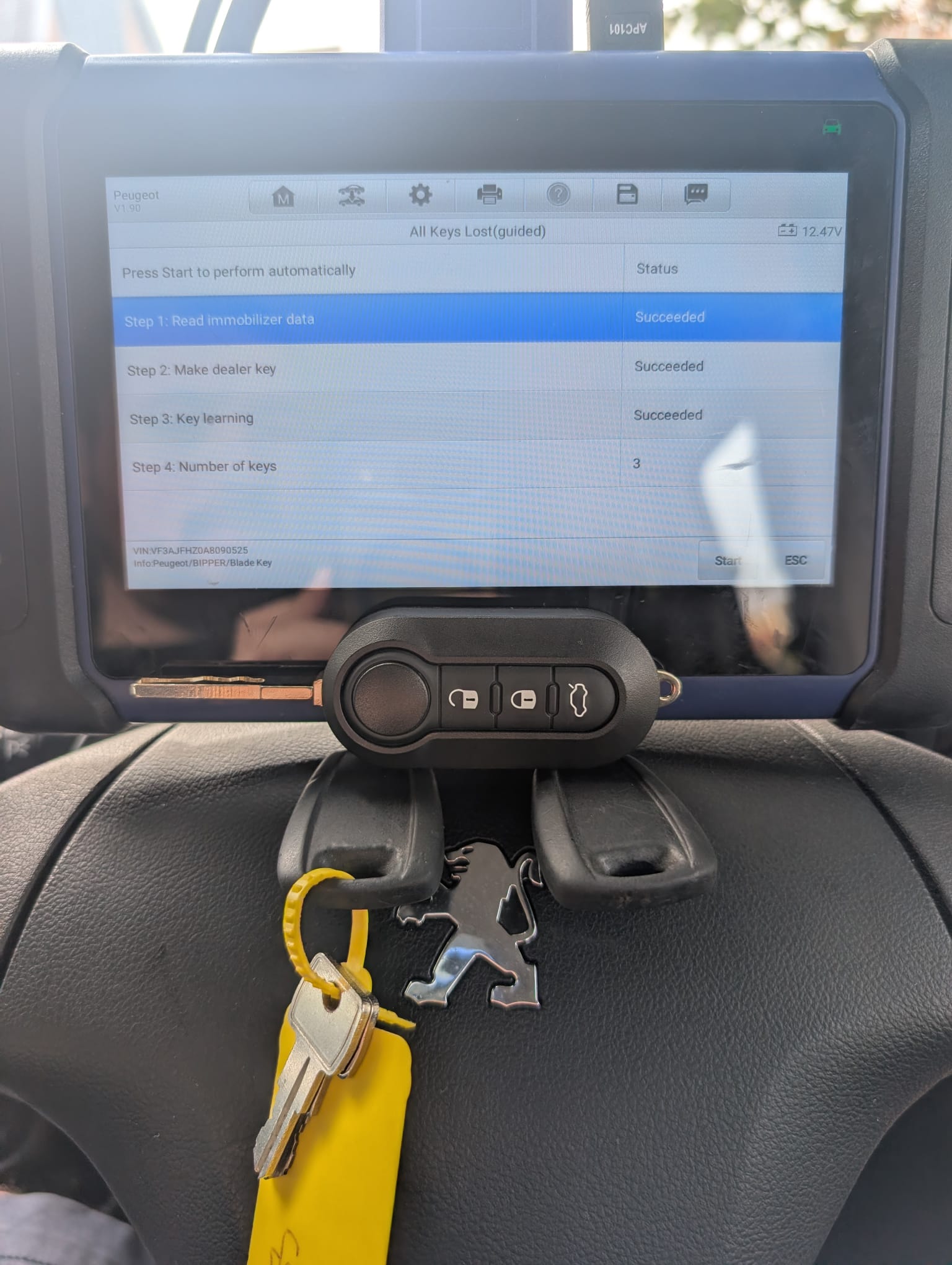
Clyst Heath today is a community in the east Exeter EX2 postcode on the corridor between the city and the M5 Junction 30. It sits between the large Sowton industrial and commercial estate to the west and the Cranbrook new town corridor to the east. The M5 J30 is nearby, making Clyst Heath accessible from the motorway as well as from the Exeter city side. Residents, commuters on the M5 approach and workers at the nearby commercial areas generate the key callout types we attend here.
To the south, Clyst Heath connects via the Clyst valley lanes to Clyst St Mary — the village whose 1549 Tudor battle history we cover in our dedicated page. To the north, the Clyst valley connects to Clyst Honiton and the approach to the Cranbrook corridor. The Exe Estuary lies to the south via Topsham.
Typical response is 20–30 minutes via the M5 J30 approach or through Sowton from Exeter. We confirm your exact location on the call.
We cover the full Clyst Heath EX2 area — residential streets, the M5 J30 approach and the Clyst valley corridor.
Clyst Heath connects west to Sowton, east to Cranbrook, south to Clyst St Mary via the valley, and west to Digby via the Avocet Line corridor. Beacon Heath lies to the northwest. All are within our coverage — see the full Exeter areas page.
Every service available across Clyst Heath and the east Exeter EX2 corridor.
Clyst Heath's vehicle mix blends residential and corridor traffic. Ford and Vauxhall are most common among residents. The M5 J30 corridor brings in Volkswagen, Toyota and BMW from commuters and workers. Commercial vehicles from nearby Sowton are also common. We carry equipment for every make.
Typical response to Clyst Heath is 20–30 minutes via the M5 J30 approach or through Sowton from Exeter. We give a specific arrival time on the call. A full EX2 postcode helps us navigate accurately.
'Clyst' is one of Devon's oldest place name elements — a pre-Saxon Celtic river name from the Brythonic language spoken in Devon before the Anglo-Saxon settlement of the 7th and 8th centuries. The root likely means 'running water' or 'stream' — descriptive of the river itself. Its survival as a place name shows that the landscape was inhabited and named before the English language reached Devon. The River Clyst gave its name to a chain of communities along its valley: Clyst Heath, Clyst St Mary, Clyst Honiton and Clyst St George.
'Heath' records the original landscape character of this part of east Exeter — open heathland, drier than moorland, characterised by gorse, heather and rough grassland. This was the land on the east side of the River Clyst before modern development. Heathland once covered large parts of Devon's lowlands but has been largely lost to agriculture and development. Names like Clyst Heath and Beacon Heath in northeast Exeter preserve this former landscape in the modern address.
Yes — the roads near M5 J30 and the surrounding EX2 approaches are within our coverage. Motorists who pull off the motorway approach at Clyst Heath with a key problem are within our east Exeter response area. Call with your exact location and vehicle details.
Yes — Sowton to the west, Cranbrook to the east and Clyst St Mary to the south are all covered. See the full Exeter areas page.
Because they all sit in the valley of the River Clyst, which flows from northeast Devon south to the Exe Estuary near Topsham. In the medieval period, villages were distinguished by adding a qualifier to the shared river name: Clyst St Mary (dedicated to the Virgin Mary), Clyst Honiton (associated with the route to Honiton), Clyst St George (dedicated to St George), Clyst Heath (on the heathland). This pattern of river-name + qualifier is one of the most common community naming strategies in English place names.
Yes — spare key cutting and programming at your home is available throughout Clyst Heath. We come to your address at a time that suits you. Call to arrange.
No. No call-out fee for Clyst Heath or any other Exeter area. Fixed price covers everything. Pay after the job is done and tested.
Clyst valley, M5 corridor or Clyst Heath itself — call now. Fixed price before we travel, no call-out fee, available 24 hours.