Mobile auto locksmith covering Polsloe, Polsloe Bridge station and the EX1 inner northeast residential area — for commuters on the Avocet Line, Victorian terrace residents and the surrounding EX1 community. Fixed price, no call-out fee, 24 hours.
Polsloe is a dense inner-city neighbourhood in the EX1 postcode, built around Victorian terraced streets that grew outward from the city centre in the late 19th century. At its heart sits Polsloe Bridge station — a halt on the Avocet Line between Exeter Central and Exmouth — one of the most-used community railways in the South West. Commuters who park near the station before catching a train, and residents across the dense residential streets of EX1, form the two main callout types we attend in Polsloe.
Polsloe is defined by the density and character of its Victorian housing and its position on the Avocet Line — giving it a dual identity as a commuter community and an established inner-city residential area of Exeter.
Polsloe Bridge is a station on the Avocet Line — the 11-mile community railway between Exeter Central and Exmouth that passes through Digby & Sowton, Topsham, Lympstone and Exmouth. The line is one of the most-used branch railways in the South West, with a loyal community of regular commuters who use Polsloe Bridge as their daily entry point to the Exeter rail network. Passengers who drive to the station, park on surrounding streets and return in the evening to find a key problem are the most specific and consistent callout we attend in Polsloe. Unlike the major intercity St David's station, Polsloe Bridge is a neighbourhood halt — vehicles are parked on residential streets nearby, not in managed car parks.
The streets around Polsloe Bridge are classic inner Exeter Victorian — terraced houses on Polsloe Road, Burnthouse Lane, Beaufort Road and the surrounding network. Built primarily between the 1880s and 1910s to house Exeter's growing working and clerical population, these streets have remained substantially intact. Many are now in mixed ownership — some converted to flats, some used as student lets, most still family homes. The density of vehicle parking and the tight street layout mean lockouts and lost keys are a regular occurrence. We attend Victorian terrace callouts across this part of EX1 without difficulty.
Polsloe Priory is an unexpected piece of medieval history embedded in a modern residential area. Founded around 1160 as a Benedictine nunnery, it operated for nearly four centuries before dissolution under Henry VIII. The surviving structure — a Grade I listed medieval hall house — now serves as offices on Priory Road, easily overlooked in the surrounding residential development. Polsloe is one of very few areas of Exeter that contains a genuine medieval monastic survival within its residential streets.
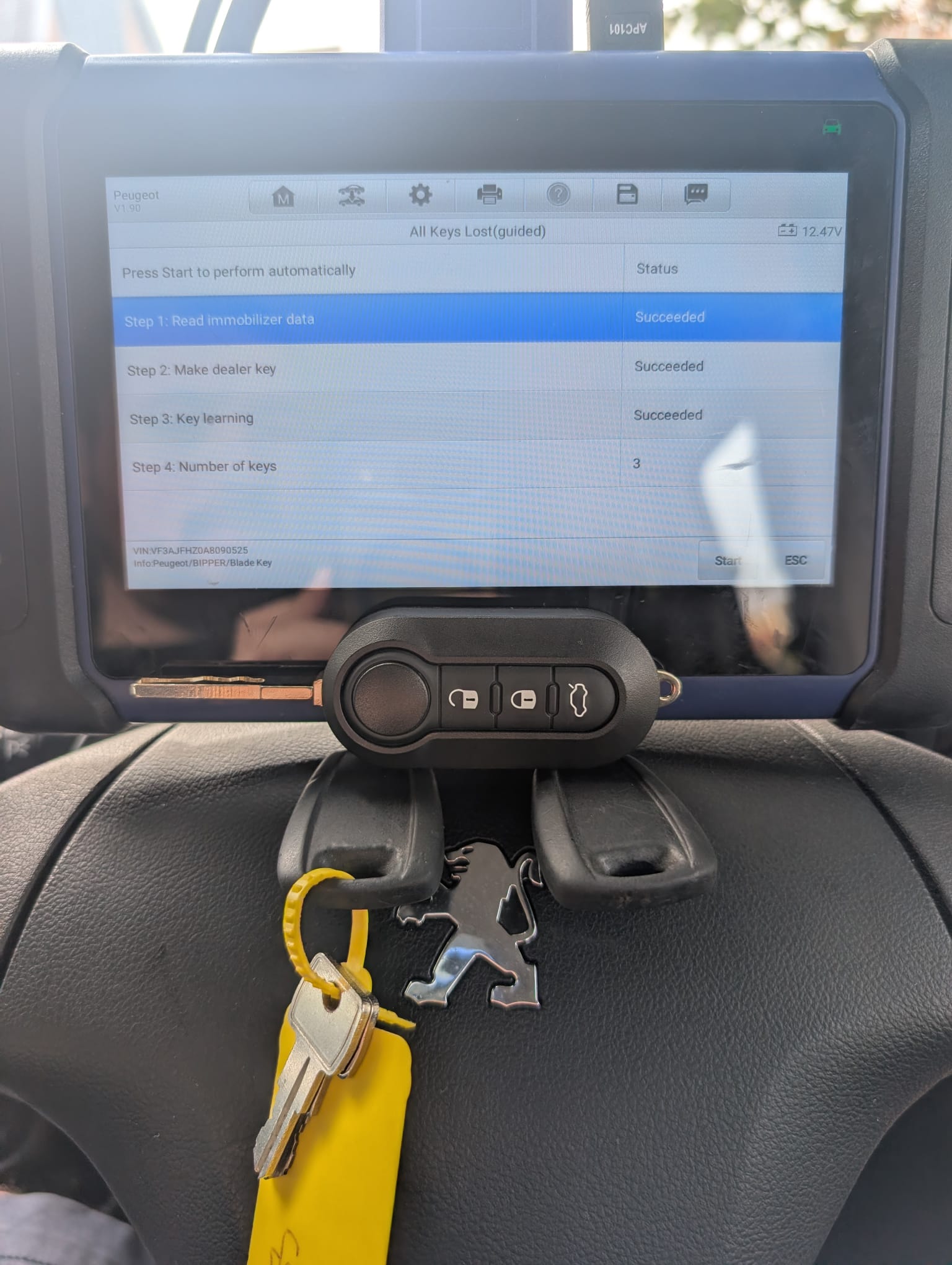
Polsloe borders the Barrack Road corridor, which leads to the main entrance of the Royal Devon & Exeter Hospital — one of the largest hospitals in the South West. Medical staff and visitors who park in Polsloe's residential streets to avoid hospital parking charges are a recognised callout source. We attend these streets regularly. For callouts directly at the hospital site, see our Wonford page.
Polsloe connects south to Heavitree via the Heavitree Road corridor — one of Exeter's main east–west arteries. To the west, Polsloe transitions into St James as the streets approach the city centre. Whipton lies to the north-east, and Wonford to the south. All are within our coverage.
Polsloe is one of our fastest response areas — typically 10–20 minutes from the city. The EX1 inner postcode and close proximity to the city centre mean short journey times. We give a specific ETA on the call.
We cover the full Polsloe EX1 area — Victorian terrace streets, the Polsloe Bridge station approach, Barrack Road and all residential roads in this part of the inner city.
Polsloe connects south to Heavitree via Heavitree Road, west toward St James and the city centre, north to Whipton, and south-east to Wonford. The Avocet Line connects to Topsham and Digby & Sowton to the south. All are within our coverage — see the full Exeter areas page.
Every service available across Polsloe and the EX1 inner northeast. Lost key replacement and vehicle entry are the most common jobs we attend in this area — particularly among Avocet Line commuters and Victorian terrace residents.
Polsloe's vehicle mix is typical inner-city Exeter — practical, varied and covering the full range from older to modern. Ford Fiesta and Focus are among the most common on the Victorian terrace streets. Vauxhall Corsa and Astra feature throughout. Newer models — Volkswagen Polo and Golf, Toyota Yaris — are increasingly common as residents upgrade. Medical staff parking near the RD&E bring BMW and Mercedes-Benz. We carry equipment for every make — call with your vehicle details for an immediate quote.
Yes — this is one of the most specific and consistent callout scenarios we attend in Polsloe. Avocet Line commuters who park near Polsloe Bridge station and return to a locked car, missing keys or a dead fob are a regular callout. Call 01392 925673, tell us which street near the station you are parked on and your vehicle make and model. We give a fixed price and are typically with you in 10–20 minutes.
The Avocet Line is the community railway between Exeter Central and Exmouth — an 11-mile route passing through Polsloe Bridge, Digby & Sowton, Topsham, Lympstone Village and Lympstone Commando before reaching Exmouth. It is one of the most popular branch railways in the South West, operated by Great Western Railway. Polsloe Bridge is one of the inner Exeter halts — a stop used heavily by commuters travelling into the city centre. For full timetable information see the GWR Avocet Line page.
Polsloe is in the EX1 inner postcode — one of our fastest response areas. Typically 10–20 minutes from the city. We give a specific arrival time on the call. If you are near the station, wait by your vehicle; if you have the option of waiting inside somewhere warm, do so and we will update you when we are nearby.
Yes — Victorian terrace streets with on-street parking and tight access are standard for us in this part of Exeter. We attend Polsloe Road, Beaufort Road, Burnthouse Lane and all surrounding streets regularly. Tight spaces and gradient parking present no difficulty for our equipment.
Yes — vehicles parked in Polsloe's residential streets near the Barrack Road and RD&E Hospital approach are within our coverage. For vehicles directly at the hospital site itself, see our Wonford page. For street parking in the residential approaches through Polsloe, call us directly.
Polsloe Priory is a Benedictine nunnery founded around 1160 — one of the oldest religious establishments in the Exeter area. It operated for nearly four centuries before dissolution by Henry VIII in 1537. The surviving medieval hall house on Priory Road is Grade I listed and protected by Historic England. It is one of the least-known medieval survivals in Exeter, sitting unremarked among the surrounding Victorian terraces.
Yes — Heavitree to the south, St James to the west and Wonford to the south-east are all within our coverage. Whipton is to the north-east. See the full Exeter areas list.
No. No call-out fee for Polsloe or any other Exeter area. The fixed price quoted on the call covers everything — travel, parts and labour. You pay after the job is done and tested, never before.
Whether you're near Polsloe Bridge station, on a Victorian terrace or off Barrack Road — call now. Fixed price before we travel, no call-out fee, available 24 hours.