Mobile auto locksmith covering Middle Moor and the EX2 east Exeter corridor — between Sowton, the airport approach and the Clyst valley. Fixed price, no call-out fee, 20–30 minutes.
Middle Moor is an east Exeter area in the EX2 postcode occupying the flat, low-lying corridor between the Sowton commercial estate and the Exeter Airport approach road. The name records a genuinely Devon sense of landscape: the 'moor' here is the lowland, seasonally wet ground of the Clyst valley corridor — not the upland moor of Dartmoor, but the flat, open, formerly boggy land characteristic of Devon's river valleys. We cover the full Middle Moor EX2 area and are typically with you in 20–30 minutes.
The name Middle Moor contains a word that means something very different in Devon's lowlands from what most people associate with 'moor' — a distinction that goes to the heart of Devon's varied landscape.
When most people think of Devon moors, they think of Dartmoor — the high granite upland with its peat bogs, tors and exposed ridgelines. But the word 'moor' in Devon place names has an older, broader meaning. In the lowlands, 'moor' refers to flat, open, seasonally wet land associated with river valleys — the kind of land that would flood in winter, remain boggy in spring, and support rushes, sedges and wet-loving vegetation in summer. This is the character of the land in the Clyst valley corridor east of Exeter — flat, low-lying ground that was naturally marshy before drainage and development. The Devon Wildlife Trust documents the importance of Devon's lowland wetland habitats, many of which were lost to agricultural drainage in the 19th and 20th centuries. Middle Moor's name records this former landscape.
The 'Middle' element positions this moor in relation to other moors in the east Exeter corridor. Place names using 'Middle' as a qualifier typically indicate a settlement or land parcel between two others — Upper Moor to the north, Lower Moor to the south, or east and west equivalents. In east Exeter's flat Clyst valley, where the low-lying land stretched from the M5 area eastward to the Clyst, different parts of the moor were distinguished by their position. Middle Moor records the central section of this lowland. The Devon Heritage archives document the historic field and settlement names of this part of east Devon.
Today, Middle Moor sits in the commercial and mixed-use corridor that developed east of Exeter from the second half of the 20th century, as the M5 motorway brought trade and logistics to the flat land between the city and the airport. Sowton industrial estate to the west was one of the first major commercial developments on this former moorland. The airport and the roads connecting it to the M5 J29 completed the transformation of the landscape. Middle Moor, between these larger developments, retains a mixed and transitional character.
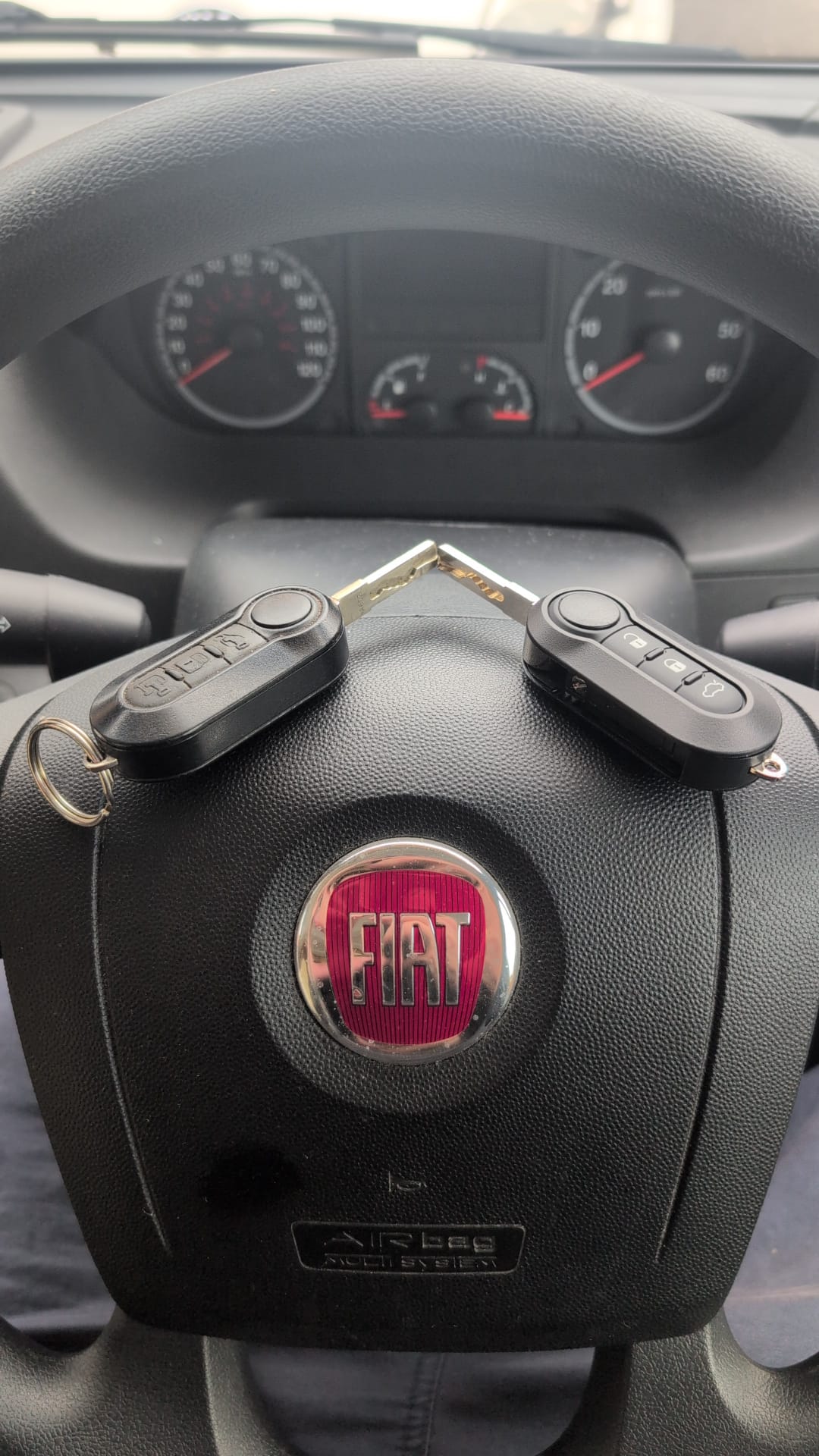
Middle Moor's position east of Sowton and west of the airport approach places it in the zone where airport-related commercial and logistics activity overlaps with older east Exeter land uses. Airport workers, logistics drivers and commercial tenants in the east Exeter corridor generate key callouts across this area. For airport terminal key problems specifically, see our Cranbrook page which covers the eastern airport approach in detail.
Middle Moor occupies the space between two of our most frequently attended east Exeter areas. Sowton to the west is one of Exeter's largest industrial and commercial estates. Cranbrook to the east is the new town built on former agricultural land east of the M5. Middle Moor sits between these two zones in a transitional landscape shaped by the M5 corridor and the airport proximity.
Typical response to Middle Moor is 20–30 minutes via the Sowton approach from Exeter or the A30 east corridor. We confirm your exact location on the call.
We cover the full Middle Moor EX2 area — commercial premises, residential streets and the east Exeter corridor roads.
Middle Moor connects west to Sowton via the commercial corridor, east to Cranbrook, south toward Clyst Heath and the Clyst valley, and northwest toward Digby. All are within our coverage — see the full Exeter areas page.
Every service available across Middle Moor and the east Exeter EX2 corridor. Commercial vehicle lockouts and lost key replacement are the most common callouts in this mixed-use area.
Middle Moor's east Exeter corridor mix includes commercial and residential vehicles. Commercial vans and company cars feature from the Sowton-adjacent businesses. Ford Transit and Transit Custom, Volkswagen Caddy, Vauxhall Vivaro are common commercial makes. Staff cars include Toyota and BMW. We carry equipment for every make and every key system.
Typical response to Middle Moor is 20–30 minutes via the Sowton approach or the A30 east corridor. We give a specific arrival time on the call. Let us know whether you are at a commercial premises, on a road or at a roadside location.
Middle Moor records both the landscape and the position. 'Moor' in Devon's lowlands refers to flat, seasonally wet, open ground near river valleys — not the upland peat moors of Dartmoor, but the low-lying boggy land characteristic of Devon's river corridors like the Clyst valley. This lowland moor character was typical of the east Exeter flat ground before agricultural drainage and commercial development. 'Middle' positions this moor between others in the same corridor — the central section of a stretch of wet open land.
Dartmoor is a high upland plateau — granite, peat, exposed and above 300m. Devon's lowland moors are river valley features — flat, below 50m, seasonally flooded, often peaty but not the deep blanket peat of the uplands. They are more like the Somerset Levels than the granite tors. Much of Devon's lowland moor was drained and turned to farmland or commercial use in the 19th and 20th centuries. Place names like Middle Moor are among the last records of the former character.
Yes — commercial van and company car lockouts are a specific and regular callout type in the east Exeter commercial corridor around Middle Moor and Sowton. We carry equipment for Ford Transit, VW Caddy, Vauxhall Vivaro and all other commercial makes. All-keys-lost on a commercial vehicle can be completed at your location. Call with your make, model and year for immediate confirmation.
Yes — Sowton to the west, Cranbrook to the east and Clyst Heath to the south are all covered. See the full Exeter areas page.
Yes — the A30 east corridor and roads connecting to the Exeter Airport approach through Middle Moor are within our coverage. For airport terminal callouts at the airport site itself, our Cranbrook page covers the eastern airport approach in detail.
Yes — commercial car parks, logistics sites and business premises in the east Exeter corridor are standard callout environments for us. We attend at your specific bay or location. Call with your site address and vehicle details.
No. No call-out fee for Middle Moor or any other Exeter area. Fixed price covers everything. Pay after the job is done and tested.
Commercial premises, A30 corridor or the east Exeter approach — call now. Fixed price before we travel, no call-out fee, available 24 hours.