Mobile auto locksmith covering Exeter's Priory area, the medieval city quarter near St Nicholas Priory and Fore Street — for city centre residents, heritage visitors and inner EX4. Fixed price, no call-out fee, 10–15 minutes.
The Priory area is the part of central Exeter shaped by its medieval religious heritage — most directly by St Nicholas Priory, a surviving fragment of a Benedictine priory founded in the late 11th century, shortly after the Norman Conquest of 1066. One of Exeter's oldest buildings, it sits near Fore Street — the ancient commercial spine of the medieval city — in a quarter whose character is still shaped by the history beneath its streets. Response to the inner EX4 Priory area is typically 10–15 minutes.
The Priory area occupies the southwest quarter of Exeter's inner city — where the medieval and Norman city fabric is most densely preserved beneath and around the modern urban landscape.
St Nicholas Priory, off Fore Street in central Exeter, is one of the most significant medieval survivals in Devon — a fragment of a Benedictine priory founded in the late 11th century, shortly after the Norman Conquest. The priory was established as a cell of the great Norman abbey at Battle in Sussex, extending monastic influence into the newly conquered West Country. It functioned as a religious house for several centuries before dissolution under Henry VIII in the 1530s. The surviving medieval hall and guest range are Grade I listed and managed by Exeter City Council as a heritage attraction, open to the public on a seasonal basis.
Fore Street is one of the oldest continuously commercial streets in England — a steep descent from the medieval city core toward the River Exe and the quayside. In the medieval period it was the primary artery for trade between the walled city and the Exe Estuary. The street retains a mixed character today — local shops, independent businesses and a density of period buildings that reflect its long commercial history. Parking near Fore Street and the surrounding streets generates consistent key callouts from shoppers, workers and visitors in this part of the inner city.
Exeter has two historic priory sites recorded in its area names. The Priory area in the city centre refers to the site of St Nicholas Priory — a Norman Benedictine cell near Fore Street. Polsloe in northeast Exeter takes its priory name from Polsloe Priory — a separate medieval Benedictine nunnery founded around 1160 and also dissolved under Henry VIII. Both priories were dissolved in the same period; both left their names in the Exeter neighbourhoods that grew around or near their sites.
The Priory area connects westward toward the Exe Bridges and the historic quayside — the commercial and maritime heart of medieval Exeter. The quay, the canal basin and the warehouses along the riverside are accessible from this part of the inner city. Visitors to the quayside who park in the Priory area and return to a key problem are within our fastest city centre response zone. For the quayside area from the other side, see our St Leonard's page.
The Priory area has the dense, layered character of a city centre fringe neighbourhood — period buildings in a range of conditions, mixed residential and commercial use, on-street parking in short supply. Key callouts here come from residents in period flats and conversions, workers at small businesses, and heritage visitors to the priory and quayside. Response is among our fastest anywhere in Exeter.
The Priory area is in the inner EX4 city centre — typically 10–15 minutes. One of our fastest response zones. We give a specific arrival time on the call.
We cover the full Priory area EX4 — Fore Street, the quayside approach, St Nicholas Priory surrounds and all inner city streets in this quarter.
The Priory area connects north to the main Exeter city centre and St Thomas across the Exe, east to St Leonard's via the Topsham Road, and south to the quayside. Cowick lies across the Exe to the west. All are within our coverage — see the full Exeter areas page.
Every service available across the Priory area and inner EX4 city centre. Vehicle lockout and lost key replacement are the most common callouts in this dense inner city quarter.
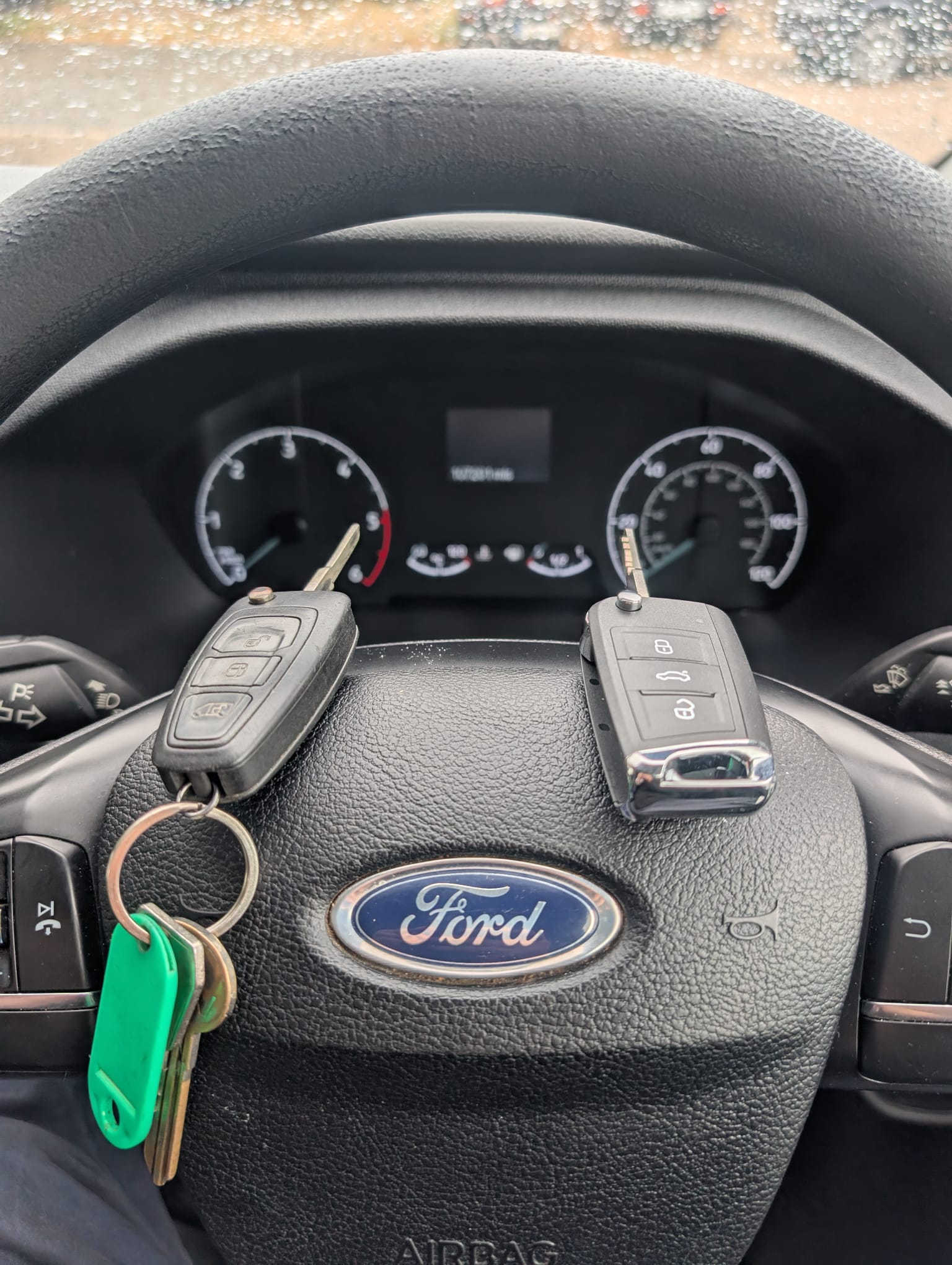
The Priory area's inner city character brings a wide vehicle mix. Residents in period flats and conversions tend toward Ford, Volkswagen and Vauxhall. Heritage visitors and city centre workers bring in BMW, Audi and Toyota. We carry equipment for every make. City centre callouts receive the same fixed price as anywhere in Exeter.
The Priory area is in the inner EX4 city centre postcode — typically 10–15 minutes. One of our fastest response zones in Exeter. We give a specific arrival time on the call.
St Nicholas Priory is a surviving fragment of a Benedictine priory founded in Exeter in the late 11th century, shortly after the Norman Conquest of 1066. It was established as a cell of Battle Abbey in Sussex — the abbey founded by William the Conqueror to commemorate his victory. The priory functioned until dissolution under Henry VIII in the 1530s. The surviving medieval hall is Grade I listed and is managed by Exeter City Council as a heritage house, open to visitors on a seasonal basis.
Exeter has two historic priory sites that gave their names to neighbourhoods. St Nicholas Priory was a Benedictine cell near Fore Street in the city centre, founded in the late 11th century as a dependency of Battle Abbey. Polsloe Priory in northeast Exeter was a separate Benedictine nunnery founded around 1160. Both were dissolved under Henry VIII in the 1530s. Both survive in fragments, and both left their names in the areas around them.
Yes — Fore Street, the quayside approach streets and all parking in the Priory area and surrounding inner city are covered. The quayside area from the St Leonard's side is also covered — see our St Leonard's page.
Yes — on-street and small car parks in the Priory area and inner EX4 are all within our coverage. Inner city positions, narrow streets and restricted access areas present no difficulty. We attend inner city callouts throughout this part of Exeter regularly.
Yes — St Thomas across the Exe, St Leonard's to the east and the full Exeter city centre are covered. See the full Exeter areas page.
Yes — spare key cutting and programming is available throughout the Priory area and inner EX4. We come to your vehicle wherever it is parked. Call to arrange.
No. No call-out fee for the Priory area or any other Exeter location. Fixed price covers everything. Pay after the job is done and tested.
Fore Street, the quayside approach or an inner city residential street — call now. Fixed price before we travel, no call-out fee, available 24 hours. 10–15 minutes from anywhere in the city.